Archives: Portfolio

  • A Shocking New Way to Treat Infections

    A Shocking New Way to Treat Infections

    Titanium has many properties that make it a great choice for use in implants. Its low density, high stiffness, high biomechnanical strength-to-weight ratio, and corrosion resistance have led to its use in several types of implants, from dental to joints. However, a persistent problem plagues metal-based implants: the surface is also a perfect home for microbes to accumulate, causing chronic infections and inflammation in the surrounding tissue. Consequently, five to 10 percent of dental implants fail and must be removed within 10-15 years to prevent infection in the blood and other organs.

    New research from the University of Pittsburgh’s Swanson School of Engineering introduces a revolutionary treatment for these infections. The group, led by Tagbo Niepa, PhD, is utilizing electrochemical therapy (ECT) to enhance the ability of antibiotics to eradicate the microbes.


    “We live in a crisis with antibiotics: most of them are failing. Because of the drug- resistance that most microbes develop, antimicrobials stop working, especially with recurring infections,” says Dr. Niepa, author on the paper and assistant professor of chemical and petroleum engineering at the Swanson School, with secondary appointments in civil and environmental engineering and bioengineering.

    With this technique, the current doesn’t discriminate as it damages the microbe cell membrane.

    “It’s more likely that antibiotics will be more effective if the cells are simultaneously challenged by the permeabilizing effects of the currents. This would allow even drug-resistant cells to become susceptible to treatment and be eradicated.”

    The novel method passes a weak electrical current through the metal-based implant, damaging the attached microbe’s cell membrane but not harming the surrounding healthy tissue. This damage increases permeability, making the microbe more susceptible to antibiotics. Since most antibiotics specifically work on cells that are going to replicate, they do not work on dormant microbes, which is how infections can recur. The ECT causes electrochemical stress in all the cells to sensitize them, making them more susceptible to antibiotics.

    The researchers hope this technology will change how infections are treated. Researchers focused their research on Candida albicans (C. albicans), one of the most common and harmful fungal infections associated with dental implants. But while dental implants are one exciting application for this new technology, Niepa says it has other potential applications, such as in wound dressings.

  • Brush Your Teeth to Protect the Heart

    Brush Your Teeth to Protect the Heart

    Previous research suggests that poor oral hygiene leads to bacteria in the blood, causing inflammation in the body. Inflammation increases the risks of atrial fibrillation (irregular heartbeat) and heart failure (the heart’s ability to pump blood or relax and fill with blood is impaired). This study examined the connection between oral hygiene and occurrence of these two conditions.

    The retrospective cohort study enrolled 161,286 participants of the Korean National Health Insurance System aged 40 to 79 with no history of atrial fibrillation or heart failure. Participants underwent a routine medical examination between 2003 and 2004. Information was collected on height, weight, laboratory tests, illnesses, lifestyle, oral health, and oral hygiene behaviours.

    During a median follow-up of 10.5 years, 4,911 (3.0%) participants developed atrial fibrillation and 7,971 (4.9%) developed heart failure.

    Tooth brushing three or more times a day was associated with a 10% lower risk of atrial fibrillation and a 12% lower risk of heart failure during 10.5-year follow up. The findings were independent of a number of factors including age, sex, socioeconomic status, regular exercise, alcohol consumption, body mass index, and comorbidities such as hypertension.

    While the study did not investigate mechanisms, one possibility is that frequent tooth brushing reduces bacteria in the subgingival biofilm (bacteria living in the pocket between the teeth and gums), thereby preventing translocation to the bloodstream.

    Senior author Dr. Tae-Jin Song of Ewha Womans University, Seoul, Korea noted that the analysis was limited to one country and as an observational study does not prove causation. But he added: “We studied a large group over a long period, which adds strength to our findings.”

    An accompanying editorial states: “It is certainly too early to recommend tooth brushing for the prevention of atrial fibrillation and congestive heart failure.” It adds: “While the role of inflammation in the occurrence of cardiovascular disease is becoming more and more evident, intervention studies are needed to define strategies of public health importance.”

  • Teeth as archive of life, new research finds

    Teeth as archive of life, new research finds

    “Our results make clear that the skeleton is not a static organ, but rather a dynamic one,” explains Paola Cerrito, a doctoral candidate in NYU’s Department of Anthropology and College of Dentistry and the lead author of the paper, which appears in the journal Scientific Reports.

    The paper’s other authors include Shara Bailey, a professor in NYU’s Department of Anthropology, Bin Hu, an associate research scientist at NYU’s College of Dentistry, and Timothy Bromage, a professor at NYU’s College of Dentistry.

    The research focused on cementum, the dental tissue that covers the tooth’s root. It begins to form annual layers — similar to a tree’s “rings” — from the time the tooth surfaces in the mouth.

    “The discovery that intimate details of a person’s life are recorded in this little-studied tissue, promises to bring cementum straight into the center of many current debates concerning the evolution of human life history,” says Bromage.

    The Scientific Reports study tested the hypothesis that physiologically impactful events — such as reproduction and menopause in females and incarceration and systemic illnesses in both males and females — leave permanent changes in the microstructure of cementum and that such changes can be accurately timed.

    The cementum’s microstructure, visible only through microscopic examination, can reveal the underlying organization of the fibers and particles that make up the material of this part of the tooth.

    In their work, the scientists examined nearly 50 human teeth, aged 25 to 69, drawn from a skeletal collection with known medical history and lifestyle data, such as age, illnesses, and movement (e.g., from urban to rural environments). Much of this information was obtained from the subjects’ next of kin. They then used a series of imaging techniques that illuminated cementum bands, or rings, and linked each of these bands to different life stages, revealing connections between tooth formation and other occurrences.

    “A tooth is not a static and dead portion of the skeleton,” observes Cerrito. “It continuously adjusts and responds to physiological processes.

    “Just like tree rings, we can look at ‘tooth rings’: continuously growing layers of tissue on the dental root surface. These rings are a faithful archive of an individual’s physiological experiences and stressors from pregnancies and illnesses to incarcerations and menopause that all leave a distinctive permanent mark.”

  • Opioids After Tooth Extraction: Worse Pain

    Opioids After Tooth Extraction: Worse Pain

    More than 325 dental patients who had teeth pulled were asked to rate their pain and satisfaction within six months of extraction. Roughly half of the study’s patients who had surgical extraction and 39% who had routine extraction were prescribed opioids.

    The U-M researchers compared the pain and satisfaction of those who used opioids to those who didn’t.

    “I feel like the most important finding is that patient satisfaction with pain management was no different between the opioid group and non-opioid group, and it didn’t make a difference whether it was surgical or routine extraction,” said study co-author Romesh Nalliah, clinical professor and associate dean for patient services at the U-M School of Dentistry.

    Surprisingly, patients in the opioid group actually reported worse pain than the non-opioid group for both types of extractions, Nalliah said.

    The researchers also found that roughly half of the opioids prescribed remained unused in both surgical and nonsurgical extractions. This could put patients or their loved ones at risk of future misuse of opioids if leftover pills are not disposed of properly.

    The findings are scheduled to appear March 13 in JAMA Network Open.

    “The real-world data from this study reinforces the previously published randomized-controlled trials showing opioids are no better than acetaminophen and nonsteroidal anti-inflammatory drugs for pain after dental extraction,” said study co-author Chad Brummett, director of the Division of Pain Research and of Clinical Research in the Department of Anesthesiology at Michigan Medicine, U-M’s academic medical center.

    Brummett co-directs the Michigan Opioid Prescribing Engagement Network, or Michigan OPEN, which has developed, tested and shared guidelines for the use of opioids in patients with acute pain from surgery and medical procedures.

    “These data support the Michigan OPEN prescribing recommendations calling for no opioids for the majority of patients after dental extractions, including wisdom teeth extraction,” he said.

  • Dental bridge: Everything you need to know

    Dental bridge: Everything you need to know

    What is a dental bridge?

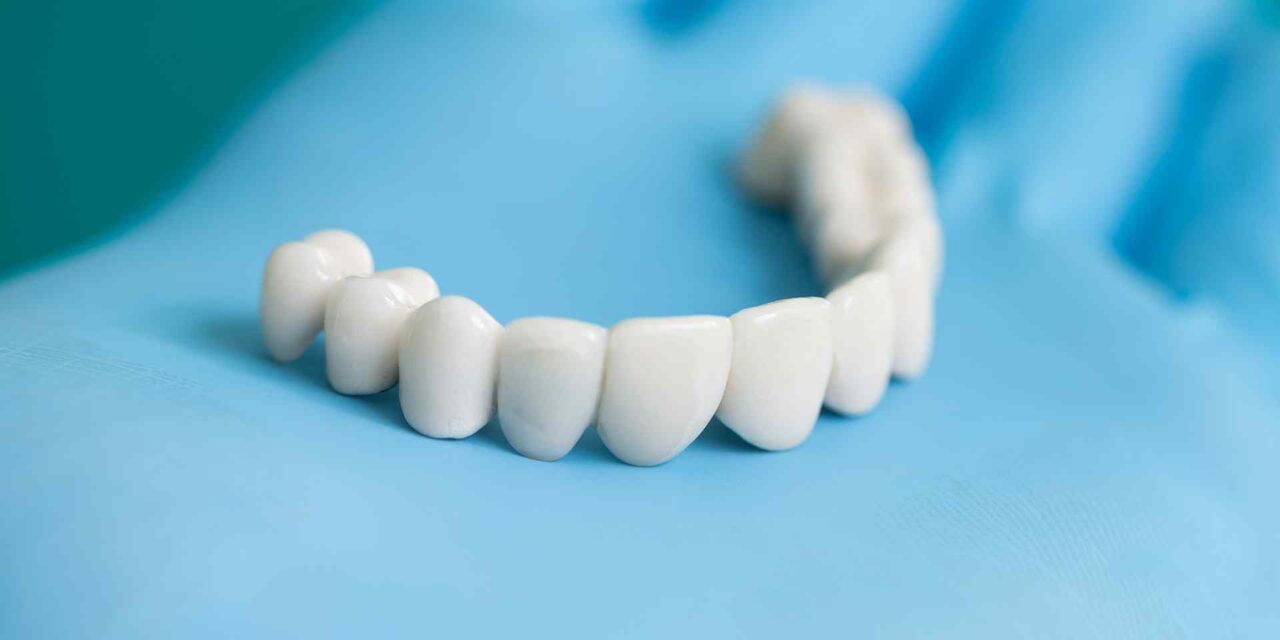
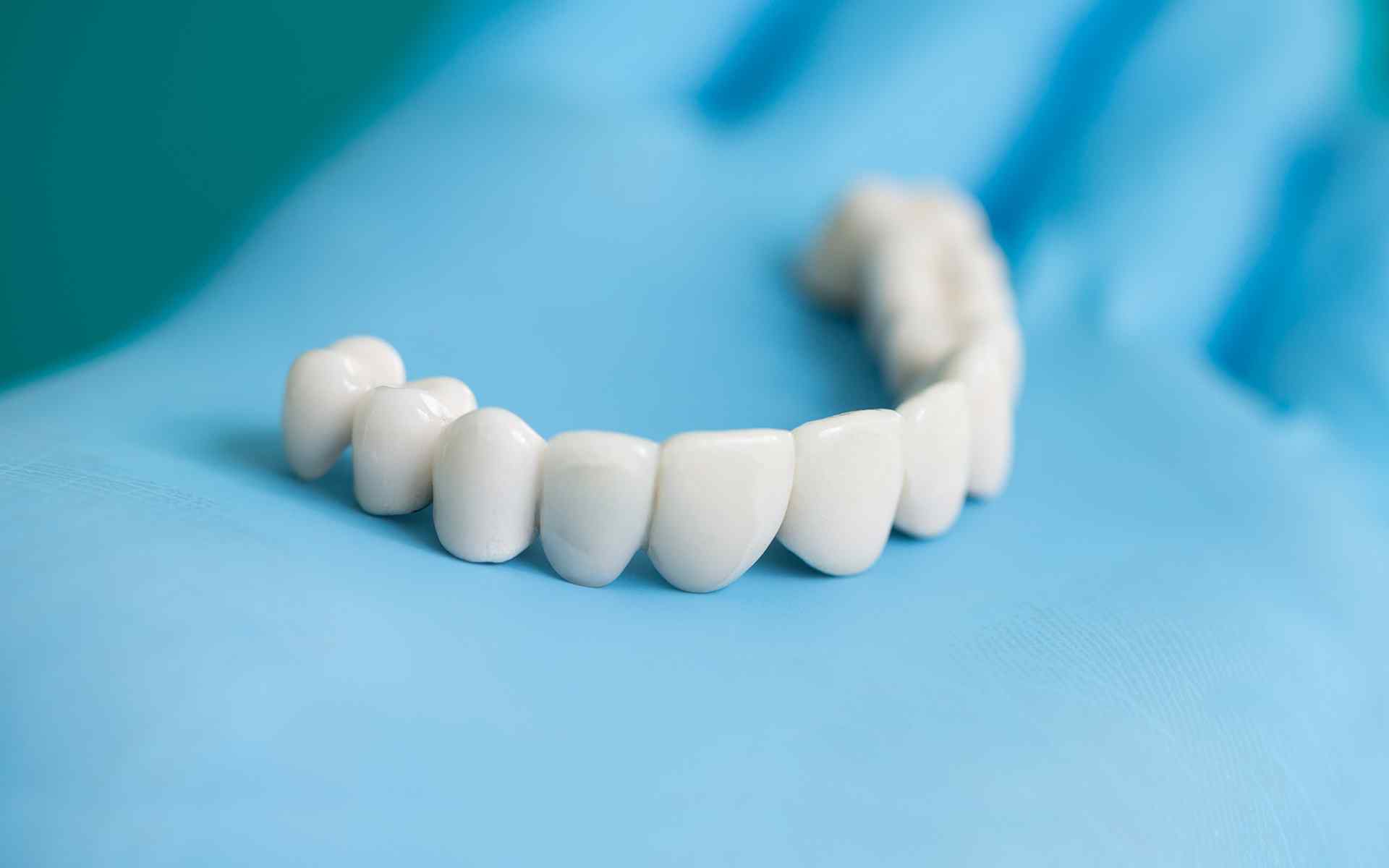
    A dental bridge can replace a tooth or several teeth. The fake teeth in dental bridges look and function like real teeth. For a bridge, a person may see a prosthodontist, a dentist who specializes in restoring and replacing missing teeth, or a regular dentist. Either way, there are many options for filling a gap in a smile.

    One option is to have a crown — a fake bit of tooth attached to a small portion of real tooth that the dentist has ground down. When a person has lost a tooth or the dentist has had to remove it, however, a crown alone is not an option, and a dental bridge may be the best choice.

    https://tdentalcare.com/wp-content/uploads/2020/03/img-dr-dryan-1280x854.jpg

    The term “bridge” refers to a structure that contains one or more fake teeth. The structure is often anchored in place with one or more crowns on either side of the gap in the mouth. For example, if a person loses several front teeth, due to injury or decay, a doctor may use a bridge to fill in the gap.

    A person may not wish to have a gap in their teeth, after having a tooth removed, for example, because they need a tooth in the area for chewing or because of cosmetic concerns.

    For some people, a permanent dental implant is an alternative to a bridge. Dental implants are fake teeth that dentists surgically insert into bone in the mouth. For others, dentists recommend implants to help secure a bridge, particularly if many teeth are missing.

    Uses

    A dental bridge can help a person feel more comfortable with their smile. It can also enable them to chew normally.

    When a person loses one or more teeth, it can affect their bite, causing pain or difficulty eating. Replacing those teeth prevents these complications.

    A person may need a bridge if:

    • a tooth is so decayed that it falls out or a dentist removes it
    • an accident or injury damages a tooth beyond repair
    • decay or infection is so deep within a tooth that neither a filling nor a root canal are sufficient

    Types

    Dentists use several types of bridges:

    • A traditional bridge involves two crowns — sometimes called abutments — anchoring the fake tooth or teeth. This is the most popular type of bridge, and it can be fixed or removable.
    • A cantilever bridge requires only one crown for support. This involves a less intensive procedure and may be a good option for people who do not want to damage healthy teeth. However, the single crown can act as a lever, increasing the risk of tooth and jaw damage.
    • Maryland bridges are more conservative and less invasive than traditional or cantilever bridges. The bridge is anchored by metal or porcelain frameworks attached to the backs of teeth on either side of the gap. These bridges can preserve healthy teeth, but they are less secure.
    • Implant-supported bridges use dental implants as anchors. This type of bridge is more expensive and invasive but more secure.

  • What to know about glossitis

    What to know about glossitis

    Along with swelling, glossitis can change the color and surface texture of the tongue because the condition causes the small bumps on the surface to shrink, creating a shiny, red surface.

    Severe cases of glossitis can be painful and affect the way a person talks or eats.

    There are different types of glossitis, including:

    • Acute glossitis. This often develops suddenly and can have severe symptoms.
    • Chronic glossitis. Chronic inflammation of the tongue is often the result of an underlying condition.
    • Atrophic glossitis also called Hunter’s glossitis. Here, the many of the tongue’s small bumps (papillae) shrink, which changes the surface of the tongue, making it appear glossy.
    • Median rhomboid glossitis. A Candida yeast infection often causes this type of glossitis.

    Symptoms

    The symptoms of glossitis vary from person to person. They may also differ according to the underlying cause of the condition.

    Common symptoms of glossitis include:

    • a swollen tongue
    • pain in the tongue
    • burning or itching in the tongue
    • change in the texture of the surface of the tongue due to the change in the size and shape of papillae
    • different color of the tongue’s surface
    • loss of ability to speak or eat properly
    • difficulty swallowing

    Causes

    There is a variety of possible causes of glossitis, including:

    Allergic reaction

    When glossitis occurs due to an allergic reaction, a person is most likely to develop acute glossitis and have sudden tongue swelling and pain. An allergy to a particular food, drug, or specific irritant can cause this type of reaction.

    Injury to the mouth

    Injuries to the mouth, such as small cuts from braces or burns from hot food, might cause the tongue to inflame and swell.

    When dental braces cause glossitis, a person is more at risk for chronic glossitis due to the risk of repeated injury to the mouth and tongue.

    Diseases

    Certain diseases can cause glossitis, especially those where nutritional deficiencies occur, such as celiac disease, protein-calorie malnutrition, and pernicious anemia.

    Diseases that attack the immune system, such as Sjögren’s Syndrome, can cause changes in the mouth that lead to glossitis.

    Infections

    Bacterial, viral, and fungal infections can all cause glossitis. However, oral herpes, which is a viral infection, and fungal yeast infections are among the most likely infections to cause glossitis.

    Nutritional deficiencies

    Iron deficiencies occur when a person does not have enough iron in their blood. This can trigger glossitis since low levels of iron lead to low levels of myoglobin, a substance in the blood that plays a significant role in the health of all the muscles in the body, including the tongue.

  • What to know about antibiotics and tooth infections

    What to know about antibiotics and tooth infections

    When an infection occurs, it causes a pocket of pus to form in the mouth as a result of an overgrowth of bacteria. This infection often causes swelling, pain, and sensitivity in the area. Without treatment, the infection may spread to other areas of the jaw or even the brain.

    Dental decay and cavities are very common. As one article notes, up to 91% of adults ages 20–64 have cavities. Also, around 27% of people in the same age group have untreated tooth decay. Treating tooth decay early is important to prevent complications such as tooth infections.

    Anyone who experiences a tooth infection should see a dentist right away to prevent the infection from spreading.

    One of the first things a dentist will likely recommend is an antibiotic to kill the infection. Some antibiotics work better than others for tooth infections, and there may also be some over-the-counter (OTC) pain medications to help with the symptoms.

    When to use antibiotics for a tooth infection

    Dentists will typically only recommend antibiotics in dentistry for tooth infections. However, not all infected teeth require antibiotics.

    In some cases, a dentist may simply be able to drain the infected area, remove the infected tooth, or perform a root canal to fix the issue.

    They tend to avoid recommending antibiotics unless they are absolutely necessary, such as when the infection is severe or spreading, or if a person has a weakened immune system.

    How long do they take to work?

    How long each antibiotic takes to work varies depending on many factors, such as the severity of the infection and how effectively the drug eliminates the infectious bacteria.

    It is important for people to complete a full round of antibiotics, taking all of the prescribed medication exactly how the dentist says to take it. Although a person may begin to notice their symptoms go away after a couple of doses, completing the full round of antibiotics helps prevent the infection from coming back or getting stronger.

    As the International Dental Journal study notes, the majority of acute infections resolve in 3–7 days.

    Side effects

    Although antibiotics can help clear up an infection to prepare a person for dental work, these drugs do have some possible side effects.

    The side effects can vary with each type of drug. It is important to discuss any possible side effects from taking a drug with a doctor before moving forward with that particular treatment.

  • Why does my tooth still hurt after a filling?

    Why does my tooth still hurt after a filling?

    Most of the time, this sensitivity is normal and will resolve within a few days or weeks. A person should call their dentist right away if they have extreme pain, or if discomfort occurs with other symptoms, such as fever, redness, or swelling.

    In this article, we look at the reasons why a person may have tooth sensitivity after a filling, how to treat it, and when to see a doctor or dentist. We also look at other possible causes of tooth sensitivity.

    What should I expect after a filling?

    A filling is a dental procedure that involves a dentist cleaning away any decay from the tooth and then filling the space with a new material.

    After injecting a numbing agent around the tooth, the dentist will then clean out the decayed area of the tooth, usually with a dental drill. They will then fill the space with gold, silver amalgam, a composite, or porcelain.

    For several hours after having a filling, a person’s face may still feel numb, tingly, itchy, or puffy. They may have difficulty eating, swallowing, talking, or moving their face.

    Sometimes, dentists recommend that people avoid eating or drinking for a few hours, as this may result in a person accidentally biting their tongue or cheek.

    Once the numbing agent has worn off, these feelings will go away. But, in the following days and weeks, a person may notice some new sensations as they adjust to the new filling.

    Sensitivity in the filled tooth or area around it is one of the most common occurrences during this time.

    What does sensitivity after a filling feel like?

    When a person has a sensitive tooth, they may notice that certain triggers cause a temporary, uncomfortable sensation in the filled tooth or surrounding area. It may feel like a shock of cold or sudden pain that comes on quickly and goes away.

    Factors that can trigger tooth sensitivity after a filling include:

    • cold foods or drinks, such as ice cream, popsicles, or beverages with ice
    • hot drinks, such as coffee or tea
    • air hitting the tooth, such as when breathing through the mouth, which may be worse with cold air
    • sugary foods, such as candy
    • acidic foods and drinks, including fruit, juice, and coffee
    • biting down when eating

    Why do fillings cause tooth sensitivity?

    ome sensitivity after a tooth filling is normal and temporary. Sometimes, however, sensitivity after a filling is due to other causes that need treatment or repair.
    Short-term tooth sensitivity after a filling usually occurs because the filling procedure has aggravated or caused inflammation in the nerve inside the tooth.

    Usually, the tooth’s outer layers — the enamel and cementum — protect the nerve from exposure. But fillings, especially deep ones, can get close to the nerve endings and cause irritation and uncomfortable sensations.

    As the nerve heals, the sensitivity will go away. This may take a few days or weeks. Once the nerve has healed fully, a person should feel no difference between the filled tooth and the other teeth.

  • What is the soft palate?

    What is the soft palate?

    The hard and soft palates make up the roof of the mouth. The soft palate sits at the back of the mouth, behind the hard palate, which holds the teeth and gums.

    The soft palate does not contain any bone but is a fleshy area that ends in the uvula. The uvula is the fleshy projection that hangs down from the soft palate and is visible when a person opens their mouth. The function of the uvula is to block the nasal cavity when a person is eating or drinking.

    The soft palate comprises muscle and tissue, which make it mobile and flexible. When a person is swallowing or sucking, the soft palate completely separates the mouth from the throat, which helps keep food out of the respiratory tract. The soft palate is also known as the muscular palate or the velum.

  • Everything you need to know about fluoride treatment

    Everything you need to know about fluoride treatment

    The Centers for Disease Control and Prevention (CDC) say that fluoridated water has reduced tooth decay by about 25 percent. Fluoride treatments may offer even more significant benefits to protect teeth. These treatments can be beneficial to people at risk of tooth decay but may not be right for everyone.

    In this article, we look at the benefits and side effects of fluoride and fluoride treatment, as well as treatment recommendations.

    What is fluoride treatment?

    Fluoride treatments are typically professional treatments containing a high concentration of fluoride that a dentist or hygienist will apply to a person’s teeth to improve health and reduce the risk of cavities. These in-office treatments may take the form of a solution, gel, foam, or varnish.

    There are also some high-concentration fluoride treatments that people can use at home but only under the specific direction of a dentist.

    The fluoride dentists use in these treatments is similar to the fluoride in toothpaste. However, the treatment contains much higher doses and may offer more rapid benefits.

    Benefits of fluoride and fluoride treatments

    Fluoride has several benefits for the teeth:

    1. It helps the body better use minerals, such as calcium and phosphate. The teeth reabsorb these minerals to repair weak tooth enamel.
    2. It joins into the tooth structure when teeth are developing to strengthen the enamel of the teeth, making them less vulnerable to bacteria and cavities for life.
    3. It slows or even reverses the development of cavities by harming bacteria that cause cavities.

    When taken together, these benefits may help to:

    • reduce the risk of cavities
    • slow the growth of cavities
    • delay the need for expensive dental work
    • prolong the life of baby teeth
    • reduce the amount of time and money a person has to spend at the dentist

    By preventing cavities and slowing the growth of bacteria, fluoride treatment may also:

    • prevent gum disease
    • reduce tooth pain
    • prevent the premature loss of teeth

    Fluoride treatments can improve oral health, which, according to the World Health Organization (WHO), is a major predictor of overall health. Poor oral health can cause a range of other health conditions, including cardiovascular disease.